

Thomas Telford
I have posted about my career as a civil engineer. Thomas Telford was the first president of the Institution of Civil Engineers and he was born on the 8th of August 1757. He was one of the greatest civil engineers of the Industrial Revolution, a man whose roads,...
Simon Bolívar
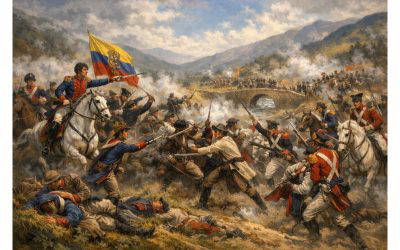
On the 7th of August, 1819, Simon Bolívar triumphed over Spanish forces in the Battle of Boyacá. Simón Bolívar is one of the towering figures of Latin American history, remembered as “El Libertador” — the Liberator — for his leading role in freeing much of northern...
Anthropocene
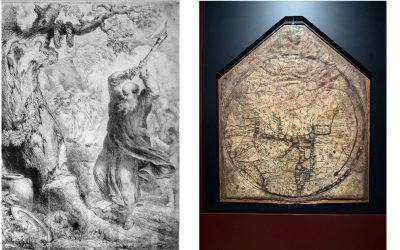
I recently attended a lecture, via zoom, about the Anthropocene. That comes from the Greek, anthropo meaning human, and cene meaning new. It is used to describe the geological age which has been impacted fundamentally by human activity. The reason I’m prompted to...
Gowrie Conspiracy
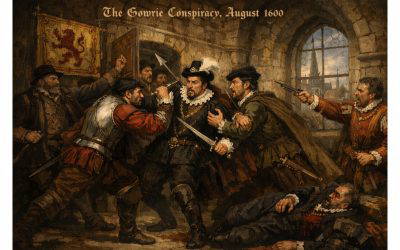
The Gowrie Conspiracy of the 5th of August, 1600, remains one of the most mysterious and disputed episodes in Scottish history. It centres on an alleged attempt to kidnap—or possibly assassinate—King James VI and I by members of the powerful Ruthven family, chiefly...
Louis Armstrong
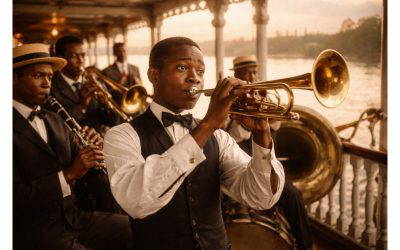
Louis Armstrong was born on the 4th of August, 1901 in New Orleans. He gets a mention in my post on Hoagy Carmichael and James Bond, but deserves more. He grew up in extreme poverty in a rough neighbourhood known as “The Battlefield.” His early life was marked by...
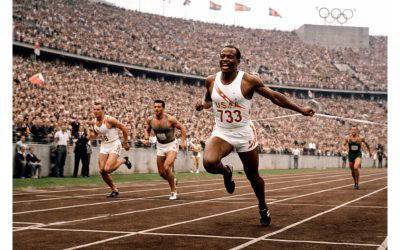
Jesse Owens
On the 3rd of August, 1936, Jesse Owens won the 100 metres sprint at the Berlin Olympic Games, shattering Hitler’s myth of Aryan supremacy. Jesse Owens was one of the most remarkable athletes of the twentieth century, a man whose achievements on the track transcended...
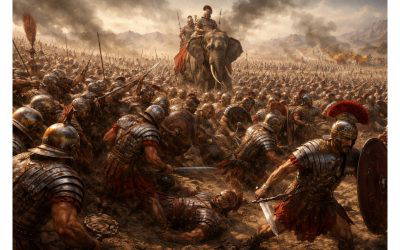
Battle of Cannae
The Battle of Cannae is one of the most studied and devastating military engagements in history, a masterpiece of tactical brilliance that resulted in the near-annihilation of a Roman army at the hands of Carthage. It was fought on the 2nd of August, 216 BCE, during...
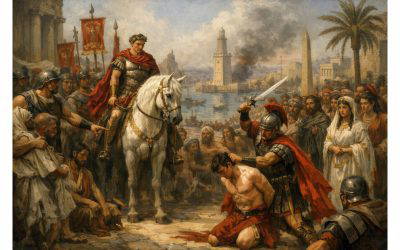
Octavian
On the 1st of August 30 BCE Octavian, the first Roman emperor, entered Alexandria and executed Marcus Antonius Antyllus, the son of Mark Antony by his third wife, Fulvia, who had travelled with his father to Alexandria and lived there with him and Cleopatra....
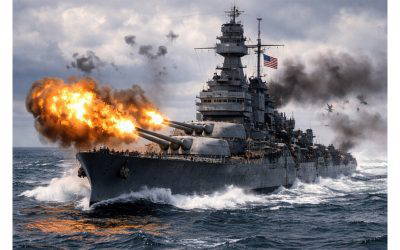
USS Nevada
The event that catches my attention for the 31st of July is the sinking of the USS Nevada. The phrase that caught my attention is: “USS Nevada is sunk by an aerial torpedo after surviving hits from two atomic bombs (as part of post-war tests) and being used for target...
Thomas Telford
I have posted about my career as a civil engineer. Thomas Telford was the first president of the Institution of Civil Engineers and he was born on the 8th of August 1757. He was one of the greatest civil engineers of the Industrial Revolution, a man whose roads,...
Simon Bolívar
On the 7th of August, 1819, Simon Bolívar triumphed over Spanish forces in the Battle of Boyacá. Simón Bolívar is one of the towering figures of Latin American history, remembered as “El Libertador” — the Liberator — for his leading role in freeing much of northern...
Anthropocene
I recently attended a lecture, via zoom, about the Anthropocene. That comes from the Greek, anthropo meaning human, and cene meaning new. It is used to describe the geological age which has been impacted fundamentally by human activity. The reason I’m prompted to...
Gowrie Conspiracy
The Gowrie Conspiracy of the 5th of August, 1600, remains one of the most mysterious and disputed episodes in Scottish history. It centres on an alleged attempt to kidnap—or possibly assassinate—King James VI and I by members of the powerful Ruthven family, chiefly...
Louis Armstrong
Louis Armstrong was born on the 4th of August, 1901 in New Orleans. He gets a mention in my post on Hoagy Carmichael and James Bond, but deserves more. He grew up in extreme poverty in a rough neighbourhood known as “The Battlefield.” His early life was marked by...
Jesse Owens
On the 3rd of August, 1936, Jesse Owens won the 100 metres sprint at the Berlin Olympic Games, shattering Hitler’s myth of Aryan supremacy. Jesse Owens was one of the most remarkable athletes of the twentieth century, a man whose achievements on the track transcended...
Battle of Cannae
The Battle of Cannae is one of the most studied and devastating military engagements in history, a masterpiece of tactical brilliance that resulted in the near-annihilation of a Roman army at the hands of Carthage. It was fought on the 2nd of August, 216 BCE, during...
Octavian
On the 1st of August 30 BCE Octavian, the first Roman emperor, entered Alexandria and executed Marcus Antonius Antyllus, the son of Mark Antony by his third wife, Fulvia, who had travelled with his father to Alexandria and lived there with him and Cleopatra....
USS Nevada
The event that catches my attention for the 31st of July is the sinking of the USS Nevada. The phrase that caught my attention is: “USS Nevada is sunk by an aerial torpedo after surviving hits from two atomic bombs (as part of post-war tests) and being used for target...