

Pocahontas
On the 5th of April, 1614, the Native American, Pocahontas, married the English colonist, John Rolfe. Pocahontas, a prominent Native American figure from history, lived during a time of great change and interaction between the indigenous peoples of America and the...
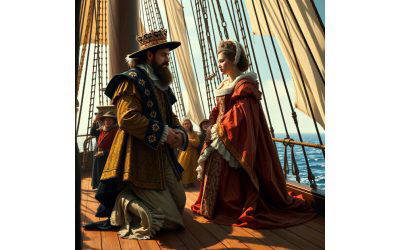
Francis Drake Knighted
On the 4th of April, 1581, Francis Drake was knighted by Queen Elizabeth I following his circumnavigation of the world. Francis Drake, a prominent figure in the late 16th century, was a pivotal character in the maritime history of England, celebrated for his daring...

Robert Walpole
On the 3rd of April, 1721, Robert Walpole became, in effect, the first Prime Minister of Great Britain, although he didn’t use that title. Born on the 26th of August, 1676, in Houghton, Norfolk, Walpole's political career spanned six decades, during which he...
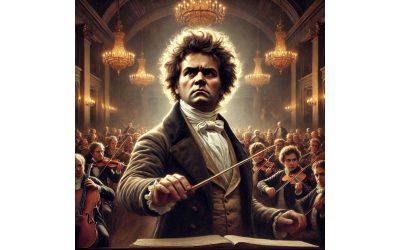
Beethoven
Ludwig Van Beethoven led the premiere of his first symphony in Vienna, on the 2nd of April, 1800. Beethoven, a name that resonates through the annals of classical music history, remains one of the most influential and revered composers of all time. Born in Bonn,...
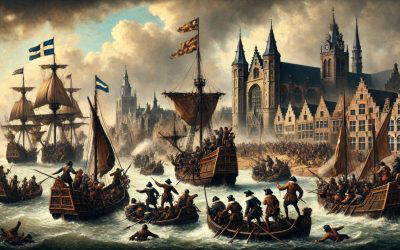
Sea Beggars
On the 1st of April 1572 the Sea Beggars, or Waterguezen, captured Brielle. In my account of the life of my ancestor, the Elizabethan spy, Sir Anthony Standen, he serves with the Sea Beggars for a few months. The book is called The Spy who Sank the Armada, the first...

Alhambra Decree
The Alhambra Decree, also known as the Edict of Expulsion, stands as one of the most pivotal and controversial decisions in Spanish history. Issued on the 31st of March, 1492, by the Catholic Monarchs, Ferdinand II of Aragon and Isabella I of Castile, this decree...
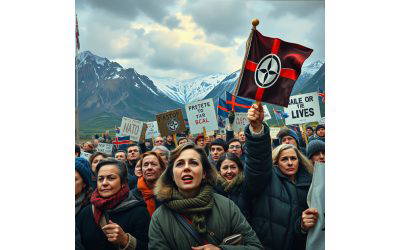
NATO
NATO is in the news at the moment. Certainly we in Europe need to fund our own defence. Winston Churchill worked long and hard to bring the U.S. into World War II, but ultimately it was the Japanese attack on Pearl Harbour which did it. I took part in a couple of NATO...

Hypnosis Murders
The 29th of March, 1951, was the day of the Hypnosis Murders in Copenhagen. This grabbed my attention because my third book in the Sir Anthony Standen Adventures, The Suggested Assassin, is on a very similar theme. I have been fascinated by hypnosis since watching a...
Poland
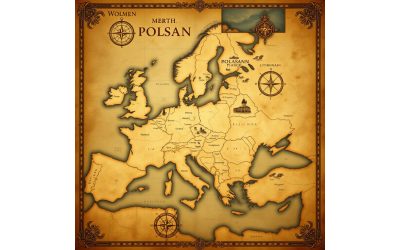
My post yesterday was about the Solidarity movement in Poland, and the Cold War. The 28th of March, 1795, was an earlier significant day in the history of Poland. The Duchy of Courland and Semigallia, part of the Polish-Lithuanian Commonwealth, ceased to exist and...
Pocahontas
On the 5th of April, 1614, the Native American, Pocahontas, married the English colonist, John Rolfe. Pocahontas, a prominent Native American figure from history, lived during a time of great change and interaction between the indigenous peoples of America and the...
Francis Drake Knighted
On the 4th of April, 1581, Francis Drake was knighted by Queen Elizabeth I following his circumnavigation of the world. Francis Drake, a prominent figure in the late 16th century, was a pivotal character in the maritime history of England, celebrated for his daring...
Robert Walpole
On the 3rd of April, 1721, Robert Walpole became, in effect, the first Prime Minister of Great Britain, although he didn’t use that title. Born on the 26th of August, 1676, in Houghton, Norfolk, Walpole's political career spanned six decades, during which he...
Beethoven
Ludwig Van Beethoven led the premiere of his first symphony in Vienna, on the 2nd of April, 1800. Beethoven, a name that resonates through the annals of classical music history, remains one of the most influential and revered composers of all time. Born in Bonn,...
Sea Beggars
On the 1st of April 1572 the Sea Beggars, or Waterguezen, captured Brielle. In my account of the life of my ancestor, the Elizabethan spy, Sir Anthony Standen, he serves with the Sea Beggars for a few months. The book is called The Spy who Sank the Armada, the first...
Alhambra Decree
The Alhambra Decree, also known as the Edict of Expulsion, stands as one of the most pivotal and controversial decisions in Spanish history. Issued on the 31st of March, 1492, by the Catholic Monarchs, Ferdinand II of Aragon and Isabella I of Castile, this decree...
NATO
NATO is in the news at the moment. Certainly we in Europe need to fund our own defence. Winston Churchill worked long and hard to bring the U.S. into World War II, but ultimately it was the Japanese attack on Pearl Harbour which did it. I took part in a couple of NATO...
Hypnosis Murders
The 29th of March, 1951, was the day of the Hypnosis Murders in Copenhagen. This grabbed my attention because my third book in the Sir Anthony Standen Adventures, The Suggested Assassin, is on a very similar theme. I have been fascinated by hypnosis since watching a...
Poland
My post yesterday was about the Solidarity movement in Poland, and the Cold War. The 28th of March, 1795, was an earlier significant day in the history of Poland. The Duchy of Courland and Semigallia, part of the Polish-Lithuanian Commonwealth, ceased to exist and...