
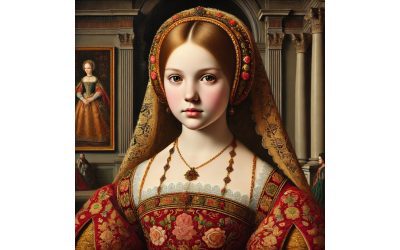
Catherine of Aragon
On the 19th of May, 1499, Catherine of Aragon was married by proxy to Arthur, Prince of Wales. Catherine was 13 and Arthur was 12. In my work in progress, the fifth book of the Sir Anthony Standen Adventures, King Louis XIII of France is married by proxy to Anne of...
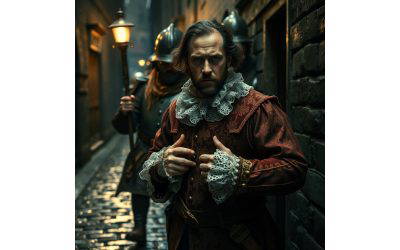
Christopher Marlowe
On the 18th of May, 1593, following the interrogation of Thomas Kyd, an arrest warrant for the playwright Christopher Marlowe was issued. Marlowe presented himself to the Privy Council the following day, but was told that there was no meeting and that he should...

Dambusters
The raid on German dams by 617 Squadron took place on the night of 16th/17th of May, 1943. In the annals of World War II history, few operations capture the imagination quite like the audacious raid on German dams by the Royal Air Force’s 617 Squadron. Known as...
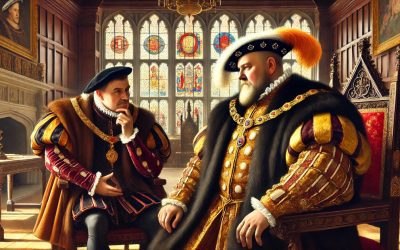
Sir Thomas More
On the 16th of May, 1532, Sir Thomas More resigned as Lord Chancellor of England. The story is that of “A Man for All Seasons”, a play which Claire and I have seen twice at the Theatre Royal Bath. On both occasions, several years apart, Martin Shaw played the lead...
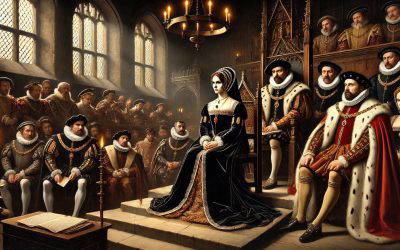
Anne Boleyn
On the 15th of May, Anne Boleyn was convicted of high treason. The jury included Henry Percy, her former betrothed, and her uncle Thomas Howard, 3rd Duke of Norfolk. She was beheaded four days later. Anne’s early life was spent in the Netherlands and France, where she...
Assassin
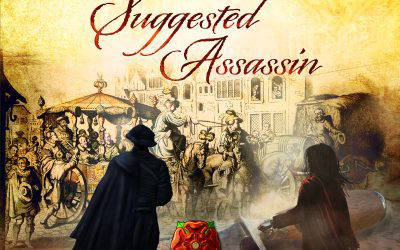
On the 14th of May, 1610, King Henry IV was assassinated. The assassin was François Ravaillac. Born in 1578 in Angoulême, France, François Ravaillac came from a relatively humble background. His family was of minor nobility, yet they struggled financially. Raised as a...
Battle of Langside
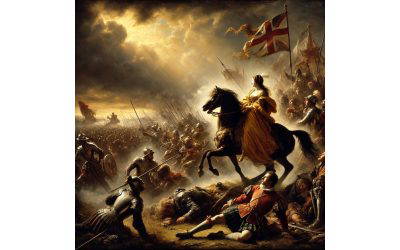
On the 13th of May, 1568, Mary Queen of Scots was defeated at the Battle of Langside. My ancestor, Sir Anthony Standen, was Master of Horse to Lord Darnley, and accompanied him to Edinburgh in February 1565. Standen was knighted by Mary for saving her life during the...
Thomas Kyd
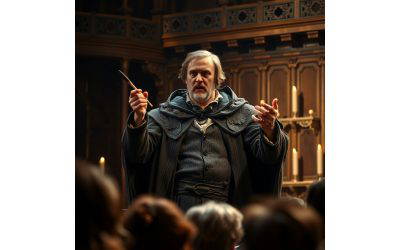
On the 12th of May, 1593, London playwright, Thomas Kyd, was arrested and tortured for suspected heretical and treasonable activity. The world of Elizabethan drama was one of intense energy and creativity, a time that produced some of the greatest playwrights in...
Spencer Percival
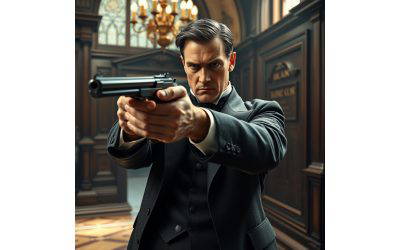
On the 11th of May, 1812, Prime Minister Spencer Percival was assassinated in the lobby of the House of Commons. John Bellingham, a merchant with personal grievances against the government, shot Perceval at point-blank range. This shocking event sent ripples through...
Catherine of Aragon
On the 19th of May, 1499, Catherine of Aragon was married by proxy to Arthur, Prince of Wales. Catherine was 13 and Arthur was 12. In my work in progress, the fifth book of the Sir Anthony Standen Adventures, King Louis XIII of France is married by proxy to Anne of...
Christopher Marlowe
On the 18th of May, 1593, following the interrogation of Thomas Kyd, an arrest warrant for the playwright Christopher Marlowe was issued. Marlowe presented himself to the Privy Council the following day, but was told that there was no meeting and that he should...
Dambusters
The raid on German dams by 617 Squadron took place on the night of 16th/17th of May, 1943. In the annals of World War II history, few operations capture the imagination quite like the audacious raid on German dams by the Royal Air Force’s 617 Squadron. Known as...
Sir Thomas More
On the 16th of May, 1532, Sir Thomas More resigned as Lord Chancellor of England. The story is that of “A Man for All Seasons”, a play which Claire and I have seen twice at the Theatre Royal Bath. On both occasions, several years apart, Martin Shaw played the lead...
Anne Boleyn
On the 15th of May, Anne Boleyn was convicted of high treason. The jury included Henry Percy, her former betrothed, and her uncle Thomas Howard, 3rd Duke of Norfolk. She was beheaded four days later. Anne’s early life was spent in the Netherlands and France, where she...
Assassin
On the 14th of May, 1610, King Henry IV was assassinated. The assassin was François Ravaillac. Born in 1578 in Angoulême, France, François Ravaillac came from a relatively humble background. His family was of minor nobility, yet they struggled financially. Raised as a...
Battle of Langside
On the 13th of May, 1568, Mary Queen of Scots was defeated at the Battle of Langside. My ancestor, Sir Anthony Standen, was Master of Horse to Lord Darnley, and accompanied him to Edinburgh in February 1565. Standen was knighted by Mary for saving her life during the...
Thomas Kyd
On the 12th of May, 1593, London playwright, Thomas Kyd, was arrested and tortured for suspected heretical and treasonable activity. The world of Elizabethan drama was one of intense energy and creativity, a time that produced some of the greatest playwrights in...
Spencer Percival
On the 11th of May, 1812, Prime Minister Spencer Percival was assassinated in the lobby of the House of Commons. John Bellingham, a merchant with personal grievances against the government, shot Perceval at point-blank range. This shocking event sent ripples through...