
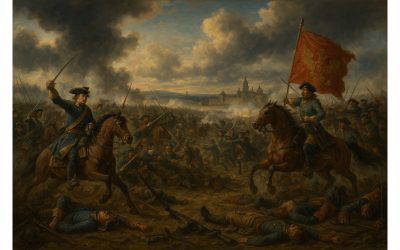
Battle of Poltava
The Battle of Poltava, fought on the 8th of July 1709, was a pivotal event in the Great Northern War (1700–1721), a conflict that reshaped the power dynamics of Northern Europe. The battle saw the forces of Tsar Peter I of Russia, also known as Peter the Great (father...
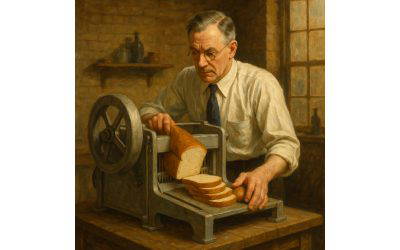
Sliced Bread
On the 7th of July 1928 the first loaf of sliced bread was sold by the Chillicothe Baking Company, of Chillicothe Missouri. I have posted about many inventions and inventors, the printing press, Samuel Colt, Thomas Edison, but every new best thing is compared to this...
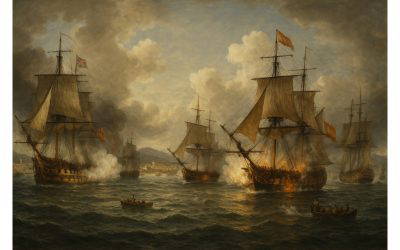
First Battle of Algeciras
The First Battle of Algeciras fought on the 6th of July, 1801 was a significant naval engagement during the French Revolutionary Wars, specifically within the War of the Second Coalition. When we think of naval battles of this war, the heroic successes of Nelson...

Isaac Newton
On the 5th of July, 1687, Isaac Newton published Philosophiæ Naturalis Principia Mathematica, often referred to simply as the Principia. It is one of the most influential works in the history of science. It laid the foundations for classical mechanics and transformed...
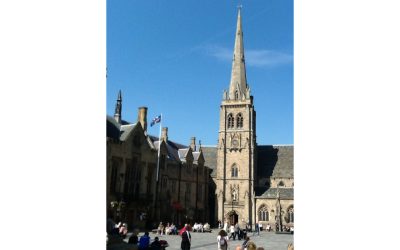
Durham University
Durham University was founded by an Act of Parliament on the 4th of July, 1832, becoming England’s third university, six hundred years after Cambridge, and more than 700 years after Oxford. I have posted about my alma mater, Oxford, so let’s look at Durham today. The...
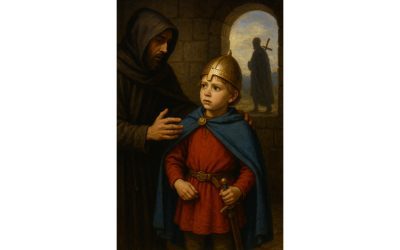
William the Conqueror
On the 3rd of July, 1035, William the Bastard became the Duke of Normandy. William was born around 1028 in Falaise, Normandy. He was the illegitimate son of Robert I, Duke of Normandy, and Herleva, a woman of modest origins. Due to his illegitimacy, William was often...
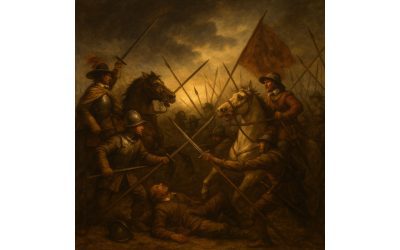
The Battle of Marston Moor
The Battle of Marston Moor, fought on the 2nd of July 1644, was a decisive engagement during the English Civil War, pitting the Royalist forces of King Charles I against the combined armies of the Parliamentarians and Scottish Covenanters. This battle marked a turning...
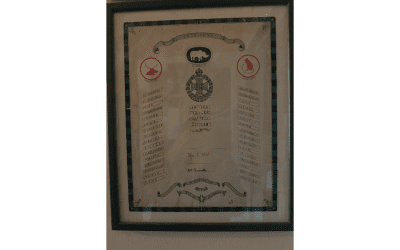
El Alamein – The First Battle
The First Battle of El Alamein, fought between 1st and 27th July 1942, marked a pivotal moment in the North African Campaign of the Second World War. Situated near the coastal town of El Alamein in Egypt, this battle saw the British Eighth Army, under the command of...
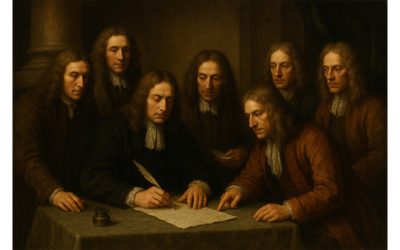
The Immortal Seven
On the 30th of June, 1688, the “Immortal Seven” signed and dispatched a letter to William III, Prince of Orange. The Immortal Seven were a group of influential English nobles and clergymen who played a pivotal role in the events leading up to the Glorious Revolution...
Battle of Poltava
The Battle of Poltava, fought on the 8th of July 1709, was a pivotal event in the Great Northern War (1700–1721), a conflict that reshaped the power dynamics of Northern Europe. The battle saw the forces of Tsar Peter I of Russia, also known as Peter the Great (father...
Sliced Bread
On the 7th of July 1928 the first loaf of sliced bread was sold by the Chillicothe Baking Company, of Chillicothe Missouri. I have posted about many inventions and inventors, the printing press, Samuel Colt, Thomas Edison, but every new best thing is compared to this...
First Battle of Algeciras
The First Battle of Algeciras fought on the 6th of July, 1801 was a significant naval engagement during the French Revolutionary Wars, specifically within the War of the Second Coalition. When we think of naval battles of this war, the heroic successes of Nelson...
Isaac Newton
On the 5th of July, 1687, Isaac Newton published Philosophiæ Naturalis Principia Mathematica, often referred to simply as the Principia. It is one of the most influential works in the history of science. It laid the foundations for classical mechanics and transformed...
Durham University
Durham University was founded by an Act of Parliament on the 4th of July, 1832, becoming England’s third university, six hundred years after Cambridge, and more than 700 years after Oxford. I have posted about my alma mater, Oxford, so let’s look at Durham today. The...
William the Conqueror
On the 3rd of July, 1035, William the Bastard became the Duke of Normandy. William was born around 1028 in Falaise, Normandy. He was the illegitimate son of Robert I, Duke of Normandy, and Herleva, a woman of modest origins. Due to his illegitimacy, William was often...
The Battle of Marston Moor
The Battle of Marston Moor, fought on the 2nd of July 1644, was a decisive engagement during the English Civil War, pitting the Royalist forces of King Charles I against the combined armies of the Parliamentarians and Scottish Covenanters. This battle marked a turning...
El Alamein – The First Battle
The First Battle of El Alamein, fought between 1st and 27th July 1942, marked a pivotal moment in the North African Campaign of the Second World War. Situated near the coastal town of El Alamein in Egypt, this battle saw the British Eighth Army, under the command of...
The Immortal Seven
On the 30th of June, 1688, the “Immortal Seven” signed and dispatched a letter to William III, Prince of Orange. The Immortal Seven were a group of influential English nobles and clergymen who played a pivotal role in the events leading up to the Glorious Revolution...