
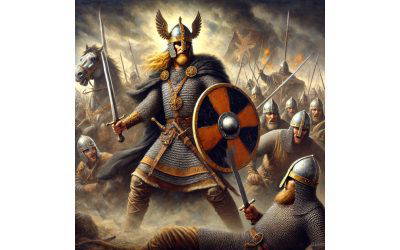
King Æthelred
The Battle of Merton, fought on the 22nd of March, 871, was one of the defining clashes between the Anglo-Saxons and the Vikings during a period of intense conflict in England. Taking place in what is believed to be modern-day Marden, Wiltshire, the battle was part of...
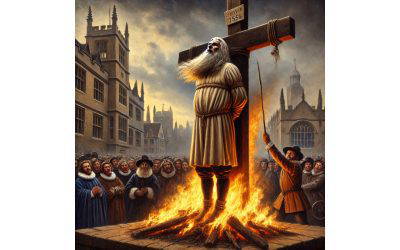
Thomas Cranmer
Thomas Cranmer, born on 2 July 1489 in Aslockton, Nottinghamshire, was a seminal figure in the English Reformation. His life and work played a pivotal role in shaping the Church of England as it transitioned away from Roman Catholicism. As the first Protestant...
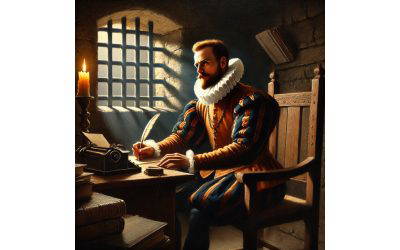
Sir Walter Raleigh
Sir Walter Raleigh was freed from the Tower of London on the 20th of March, 1616. I didn’t treat Raleigh particularly well in The Spy who Sank the Armada. That’s because my ancestor, Sir Anthony Standen, worked for the Earl of Essex after Walsingham died, and Essex...
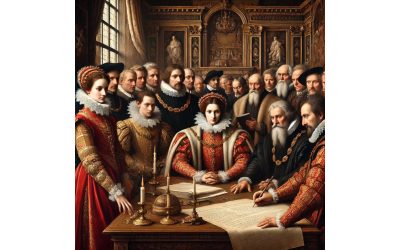
Amboise
On the 19th of March, 1563, the Edict of Amboise was signed. Amboise is a location in my work in progress, the fifth book of the Sir Anthony Standen Adventures. It is where Leonardo Da Vinci spent his final years, and where he lies in his tomb. The Edict of Amboise...
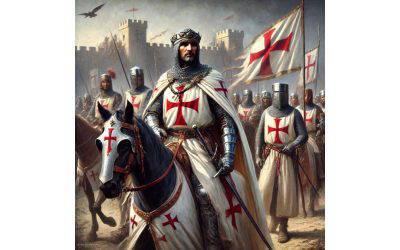
Knights Templar
On the 18th of March, 1314, Jacques de Molay, the 23rd and final Grand Master of the Knights Templar, was burnt at the stake. Jacques de Molay is one of the most enigmatic and tragic figures of the medieval period. As the last Grand Master of the Knights Templar, he...
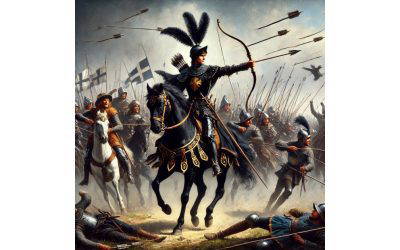
The Black Prince
On the 17th of March, 1337, Edward, the Black Prince was made Duke of Cornwall, the first Duchy in England. Edward of Woodstock, known to history as the Black Prince, was one of medieval England’s most formidable warriors. As the eldest son of King Edward III, he was...
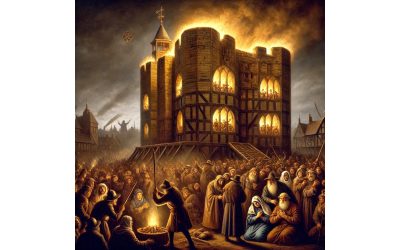
Clifford’s Tower
Called to Account, the fourth book in the Sir Anthony Standen Adventures, is set against the backdrop of a pogrom against the Jewish community in Frankfurt. Yet racist violence has taken place almost everywhere, including England. In the heart of York, England, stands...
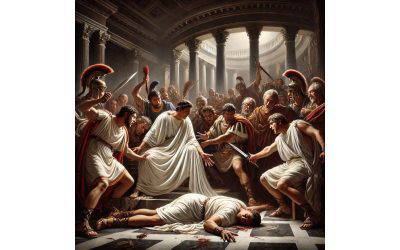
Julius Caesar
The 15th of March is, of course, the Ides of March, and is the day on which Julius Caesar was assassinated. Julius Caesar is one of the most famous figures in history, a brilliant military commander and shrewd politician whose rise to power reshaped Rome forever....
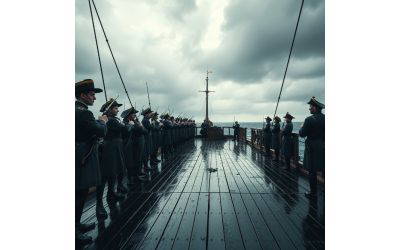
Admiral Sir John Byng
I have posted about Admiral Nelson, but today is the anniversary of the death of another admiral. Admiral Sir John Byng’s name is etched in history not for naval victories but for one of the most infamous military executions in British history. His death by firing...
King Æthelred
The Battle of Merton, fought on the 22nd of March, 871, was one of the defining clashes between the Anglo-Saxons and the Vikings during a period of intense conflict in England. Taking place in what is believed to be modern-day Marden, Wiltshire, the battle was part of...
Thomas Cranmer
Thomas Cranmer, born on 2 July 1489 in Aslockton, Nottinghamshire, was a seminal figure in the English Reformation. His life and work played a pivotal role in shaping the Church of England as it transitioned away from Roman Catholicism. As the first Protestant...
Sir Walter Raleigh
Sir Walter Raleigh was freed from the Tower of London on the 20th of March, 1616. I didn’t treat Raleigh particularly well in The Spy who Sank the Armada. That’s because my ancestor, Sir Anthony Standen, worked for the Earl of Essex after Walsingham died, and Essex...
Amboise
On the 19th of March, 1563, the Edict of Amboise was signed. Amboise is a location in my work in progress, the fifth book of the Sir Anthony Standen Adventures. It is where Leonardo Da Vinci spent his final years, and where he lies in his tomb. The Edict of Amboise...
Knights Templar
On the 18th of March, 1314, Jacques de Molay, the 23rd and final Grand Master of the Knights Templar, was burnt at the stake. Jacques de Molay is one of the most enigmatic and tragic figures of the medieval period. As the last Grand Master of the Knights Templar, he...
The Black Prince
On the 17th of March, 1337, Edward, the Black Prince was made Duke of Cornwall, the first Duchy in England. Edward of Woodstock, known to history as the Black Prince, was one of medieval England’s most formidable warriors. As the eldest son of King Edward III, he was...
Clifford’s Tower
Called to Account, the fourth book in the Sir Anthony Standen Adventures, is set against the backdrop of a pogrom against the Jewish community in Frankfurt. Yet racist violence has taken place almost everywhere, including England. In the heart of York, England, stands...
Julius Caesar
The 15th of March is, of course, the Ides of March, and is the day on which Julius Caesar was assassinated. Julius Caesar is one of the most famous figures in history, a brilliant military commander and shrewd politician whose rise to power reshaped Rome forever....
Admiral Sir John Byng
I have posted about Admiral Nelson, but today is the anniversary of the death of another admiral. Admiral Sir John Byng’s name is etched in history not for naval victories but for one of the most infamous military executions in British history. His death by firing...