

Roland Garros
On the 18th of April, 1915, Roland Garros, a French fighter pilot in World War I, was shot down and glided to a landing on the German side of the lines. Whilst I am not fanatically interested in tennis, I was an avid reader of the Biggles books as a boy, and learnt to...

Diet of Worms
On the 17th of April, 1521, the trial of Martin Luther began during the Diet of Worms. Martin Luther is mentioned in Called to Account, the fourth book in the Sir Anthony Standen Adventures. The Diet of Worms was a significant event in European history, held in 1521...
Battle of Megiddo
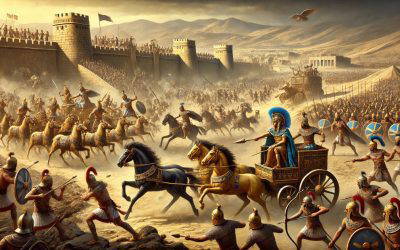
Following yesterday’s post about the Battle of Formigny, we look almost three millennia back to the Battle of Megiddo, which was fought on the 16th of April, 1457 BCE, according to The Middle Chronicle, although some sources disagree. The Battle of Megiddo is one of...

The Battle of Formigny
The Battle of Formigny was fought on the 15th of April, 1450, and marked a significant turning point in the latter stages of the Hundred Years' War between England and France. This conflict, which lasted from 1337 to 1453, was characterised by a series of battles over...
Titanic
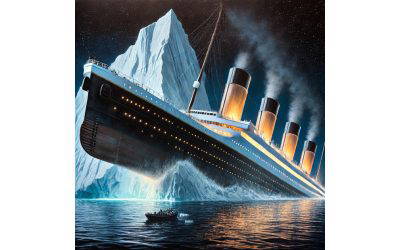
On the 14th of April, 1912, RMS Titanic struck an iceberg. The Royal Mail Ship (RMS) Titanic remains one of history's most iconic maritime tragedies. This British passenger liner, operated by the White Star Line, was the largest ship afloat at the time of her maiden...

Apollo 13
Either ironically or spookily it was on the 13th of April, 1970, that an oxygen tank exploded on Apollo 13. The Apollo 13 mission, launched on the 11th of April, 1970, was the seventh crewed mission in NASA's Apollo space programme and the third intended to land on...

Napoleon
On the 12th of April, 1796, Napoleon Bonaparte won his first battle as an army commander at the Battle of Montenotte. Napoleon Bonaparte, one of history’s most renowned military leaders and emperor of France, was born on the 15th of August, 1769, on the island of...
Battle of the Basque Roads
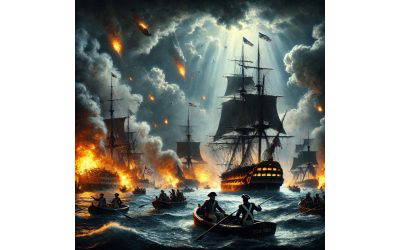
The Battle of the Basque Roads, also known in French as the Battle of the Aix Roads, took place between the 11th and the 25th of April, 1809. It was a significant naval conflict during the Napoleonic Wars, pitting the British Royal Navy against the French Navy. The...

The Statute of Anne
On the 10th of April, 1710, The Statute of Anne came into force in Great Britain. It is a cornerstone in the history of copyright law, representing a seminal moment in the transition from royal privileges to individual authors' rights. Named after Queen Anne, during...
Roland Garros
On the 18th of April, 1915, Roland Garros, a French fighter pilot in World War I, was shot down and glided to a landing on the German side of the lines. Whilst I am not fanatically interested in tennis, I was an avid reader of the Biggles books as a boy, and learnt to...
Diet of Worms
On the 17th of April, 1521, the trial of Martin Luther began during the Diet of Worms. Martin Luther is mentioned in Called to Account, the fourth book in the Sir Anthony Standen Adventures. The Diet of Worms was a significant event in European history, held in 1521...
Battle of Megiddo
Following yesterday’s post about the Battle of Formigny, we look almost three millennia back to the Battle of Megiddo, which was fought on the 16th of April, 1457 BCE, according to The Middle Chronicle, although some sources disagree. The Battle of Megiddo is one of...
The Battle of Formigny
The Battle of Formigny was fought on the 15th of April, 1450, and marked a significant turning point in the latter stages of the Hundred Years' War between England and France. This conflict, which lasted from 1337 to 1453, was characterised by a series of battles over...
Titanic
On the 14th of April, 1912, RMS Titanic struck an iceberg. The Royal Mail Ship (RMS) Titanic remains one of history's most iconic maritime tragedies. This British passenger liner, operated by the White Star Line, was the largest ship afloat at the time of her maiden...
Apollo 13
Either ironically or spookily it was on the 13th of April, 1970, that an oxygen tank exploded on Apollo 13. The Apollo 13 mission, launched on the 11th of April, 1970, was the seventh crewed mission in NASA's Apollo space programme and the third intended to land on...
Napoleon
On the 12th of April, 1796, Napoleon Bonaparte won his first battle as an army commander at the Battle of Montenotte. Napoleon Bonaparte, one of history’s most renowned military leaders and emperor of France, was born on the 15th of August, 1769, on the island of...
Battle of the Basque Roads
The Battle of the Basque Roads, also known in French as the Battle of the Aix Roads, took place between the 11th and the 25th of April, 1809. It was a significant naval conflict during the Napoleonic Wars, pitting the British Royal Navy against the French Navy. The...
The Statute of Anne
On the 10th of April, 1710, The Statute of Anne came into force in Great Britain. It is a cornerstone in the history of copyright law, representing a seminal moment in the transition from royal privileges to individual authors' rights. Named after Queen Anne, during...