
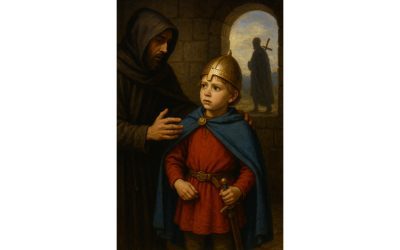
William the Conqueror
On the 3rd of July, 1035, William the Bastard became the Duke of Normandy. William was born around 1028 in Falaise, Normandy. He was the illegitimate son of Robert I, Duke of Normandy, and Herleva, a woman of modest origins. Due to his illegitimacy, William was often...
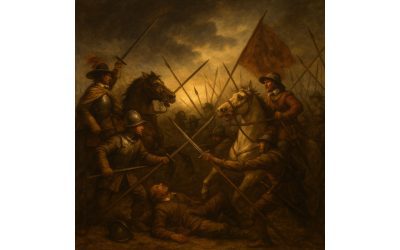
The Battle of Marston Moor
The Battle of Marston Moor, fought on the 2nd of July 1644, was a decisive engagement during the English Civil War, pitting the Royalist forces of King Charles I against the combined armies of the Parliamentarians and Scottish Covenanters. This battle marked a turning...
El Alamein – The First Battle
The First Battle of El Alamein, fought between 1st and 27th July 1942, marked a pivotal moment in the North African Campaign of the Second World War. Situated near the coastal town of El Alamein in Egypt, this battle saw the British Eighth Army, under the command of...
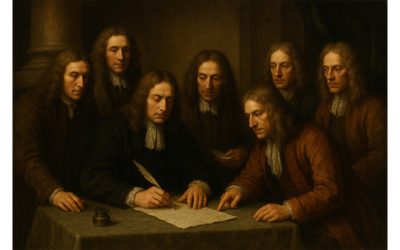
The Immortal Seven
On the 30th of June, 1688, the “Immortal Seven” signed and dispatched a letter to William III, Prince of Orange. The Immortal Seven were a group of influential English nobles and clergymen who played a pivotal role in the events leading up to the Glorious Revolution...
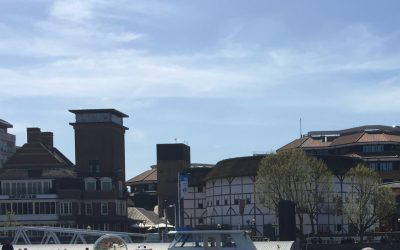
The Globe Theatre
On the 29th of June, 1613, the Globe Theatre in London burnt to the ground. The Globe Theatre in London stands as an enduring symbol of Elizabethan drama and the vibrant theatrical culture of the late 16th and early 17th centuries. Originally constructed in 1599 by...
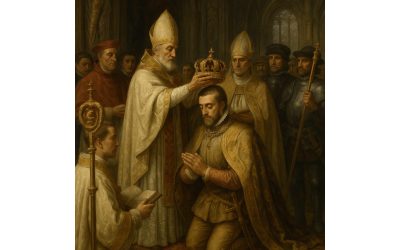
Charles V – Holy Roman Emperor
On the 28th of June, 1519, Charles V was elected Holy Roman Emperor. Sir Anthony Standen was chased out of Flanders by Don Juan, Duke of Austria, when Standen was discovered to be having an affair with Barbara Von Blomberg, the duke’s mother and once mistress of...
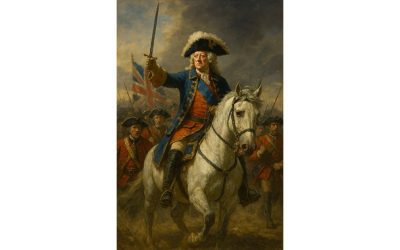
Battle of Dettingen
On the 27th of June, 1743, King George II became the last reigning British monarch to participate in a battle, (well so far, anyway). King George II, donned in the martial garments befitting a sovereign, commanded his forces during the War of the Austrian Succession,...
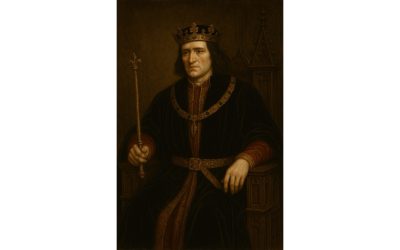
Richard III
On the 26th of June, 1483, Richard III became King of England. Richard III, the last Plantagenet King of England, remains one of the most controversial figures in British history. Born on the 2nd of October, 1452, his reign from 1483 until his death at the Battle of...
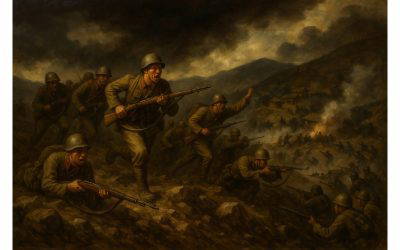
Korean War
The Korean War began on the 25th of June, 1950, when North Korean forces, backed by the Soviet Union and China, crossed the 38th parallel and invaded South Korea. This marked the beginning of a brutal conflict that lasted until the 27th of July, 1953, leaving deep...
William the Conqueror
On the 3rd of July, 1035, William the Bastard became the Duke of Normandy. William was born around 1028 in Falaise, Normandy. He was the illegitimate son of Robert I, Duke of Normandy, and Herleva, a woman of modest origins. Due to his illegitimacy, William was often...
The Battle of Marston Moor
The Battle of Marston Moor, fought on the 2nd of July 1644, was a decisive engagement during the English Civil War, pitting the Royalist forces of King Charles I against the combined armies of the Parliamentarians and Scottish Covenanters. This battle marked a turning...
El Alamein – The First Battle
The First Battle of El Alamein, fought between 1st and 27th July 1942, marked a pivotal moment in the North African Campaign of the Second World War. Situated near the coastal town of El Alamein in Egypt, this battle saw the British Eighth Army, under the command of...
The Immortal Seven
On the 30th of June, 1688, the “Immortal Seven” signed and dispatched a letter to William III, Prince of Orange. The Immortal Seven were a group of influential English nobles and clergymen who played a pivotal role in the events leading up to the Glorious Revolution...
The Globe Theatre
On the 29th of June, 1613, the Globe Theatre in London burnt to the ground. The Globe Theatre in London stands as an enduring symbol of Elizabethan drama and the vibrant theatrical culture of the late 16th and early 17th centuries. Originally constructed in 1599 by...
Charles V – Holy Roman Emperor
On the 28th of June, 1519, Charles V was elected Holy Roman Emperor. Sir Anthony Standen was chased out of Flanders by Don Juan, Duke of Austria, when Standen was discovered to be having an affair with Barbara Von Blomberg, the duke’s mother and once mistress of...
Battle of Dettingen
On the 27th of June, 1743, King George II became the last reigning British monarch to participate in a battle, (well so far, anyway). King George II, donned in the martial garments befitting a sovereign, commanded his forces during the War of the Austrian Succession,...
Richard III
On the 26th of June, 1483, Richard III became King of England. Richard III, the last Plantagenet King of England, remains one of the most controversial figures in British history. Born on the 2nd of October, 1452, his reign from 1483 until his death at the Battle of...
Korean War
The Korean War began on the 25th of June, 1950, when North Korean forces, backed by the Soviet Union and China, crossed the 38th parallel and invaded South Korea. This marked the beginning of a brutal conflict that lasted until the 27th of July, 1953, leaving deep...