
On 13th November 1923, Adolf Hitler delivered a speech in Munich where he denounced what he referred to as the “November crime.” This term was used by Hitler and the Nazi Party to describe the events surrounding the abdication of Kaiser Wilhelm II and the subsequent establishment of the Weimar Republic in Germany after World War I. Despite its challenges, the Weimar Republic was a period of significant cultural innovation and artistic expression, with advances in literature, art, theater, and science. It was known for its vibrant cultural scene, including figures like Bertolt Brecht, Thomas Mann, and the Bauhaus movement.
Hitler blamed the politicians who signed the Treaty of Versailles and those who led the country during the transition for Germany’s humiliation and economic hardships. He portrayed these leaders as traitors to the German nation, arguing that they had betrayed the sacrifices made by German soldiers during the war. This speech was part of Hitler’s broader strategy to rally nationalist sentiment and gain support for the Nazi Party.
The context of this speech was significant, as Germany was experiencing severe economic difficulties, hyperinflation, and political instability during this period. Hitler’s rhetoric resonated with many Germans who were disillusioned with the Weimar Republic, setting the stage for the rise of the Nazi Party in the following years.
The Great Depression, which began in 1929, had a devastating impact on Germany, leading to widespread unemployment and social unrest. The Nazi Party capitalized on public discontent, promising economic recovery, national rejuvenation, and the restoration of German pride.
The Nazis gained significant electoral support in the early 1930s. In the July 1932 elections, they became the largest party in the Reichstag, winning 230 seats. However, they did not achieve an outright majority, leading to political instability. Despite their electoral success, Hitler was initially unable to secure the chancellorship. However, through political maneuvering and alliances with conservative politicians who believed they could control him, he was appointed Chancellor of Germany on January 30, 1933. Once in power, Hitler quickly moved to consolidate his control. The Reichstag Fire in February 1933 allowed him to push through the Reichstag Fire Decree, suspending civil liberties and enabling the arrest of political opponents. The Enabling Act, passed in March 1933, gave him the authority to enact laws without parliamentary consent, effectively establishing a legal dictatorship.
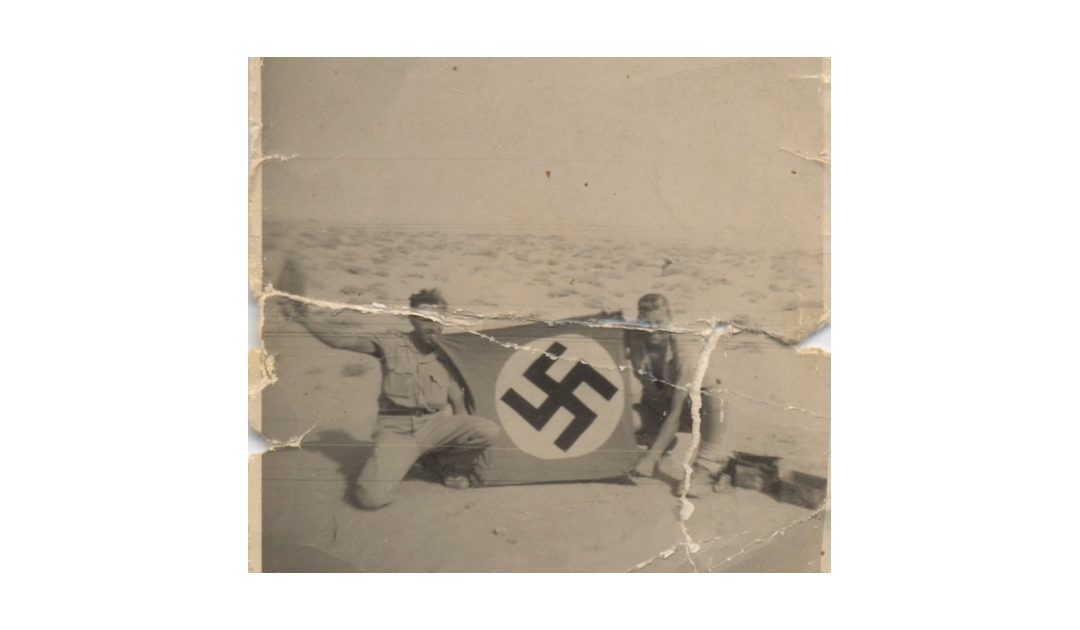
It’s easy to see how it happened. A once powerful people reduced to hardship, struggling to pay the bills. A man offering easy solutions to make the nation great again. Why not? Well we know why not now, don’t we? Within twenty years of that 1923 speech my father was fighting Hitler’s army in the Western Dessert, and so were American GI’s.