
It can’t have escaped the attention of visitors to my website that I write historical fiction. Since discovering my ancestor, the Elizabethan spy, Sir Anthony Standen, I have become a bit of an amateur historian. My formal education in history ended after the third form when we had to make our choices of subjects for O level. I went down the science route, with English language and literature, French, and German.
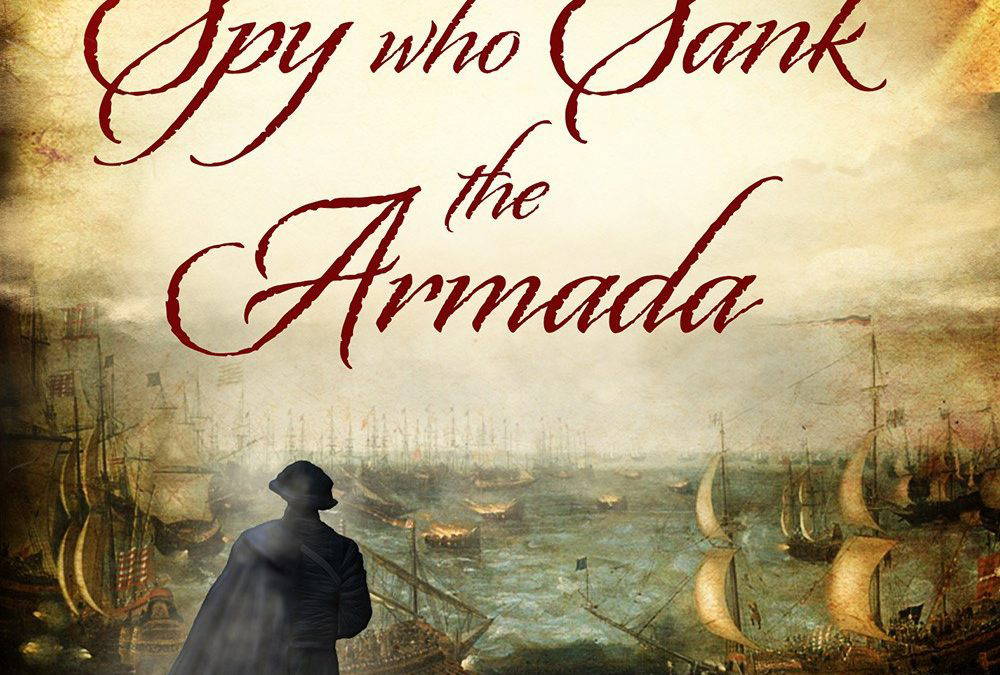
Yesterday I submitted my application for Oxford University’s two year part-time diploma in English Local and Social History. It seems to be a very popular course with limited numbers, so I may be disappointed. I shall keep my fingers crossed. I like to think I do a reasonable job with the historical aspects of my books, but it’s so easy to slip up. Take this morning for example. In Cade’s Legacy, my work in progress and the sixth book in the Sir Anthony Standen Adventures, Anthony has been persuaded to take up a language teaching post in Europe’s first free school, in Frascati. He has gathered together some books in German, English, Spanish and French from his bookshelves to take with him. I’m not sure how he will use them in his language classes. I don’t think he’ll let the boys get their grubby hands on them, but perhaps he’ll dictate passages and get them to write it down on their slates. I started researching the books that he might have on his shelves. That’s not too difficult, the Bible was widely available, and by 1618, Don Quixote was too. He is about to load the books into his saddle bags. Perhaps it’s the very act of making my application, but I thought I’d check the history of saddlebags. Aaaargh! Apparently the saddlebag was invented by the Pikini Blackfeet and White Mountain Apache tribes in the early 19th century. I’ve had Standen using saddlebags since the first book. Before then items carried by riders were stowed in a satchel slung over the shoulder, or wrapped in a cloak or blanket and tied behind the saddle. A reader did write an adverse review to The Spy who Sank the Armada, saying that horses eat hay and sleep on straw. It was unfair because at no point in a stable scene did Anthony feed straw to his horse. And if he had, my subsequent research indicated that straw was widely used as fodder until the 1930s, when it was found that hay was better for them. She could have told me about saddlebags!
Calm down David. I can only apologise to my readers. I really hope that I’m accepted onto this course, because researching the events and notable people of the era is relatively easy. It’s understanding the social history of how people went about their daily lives, and what they thought and believed. That’s the area I need to improve.