
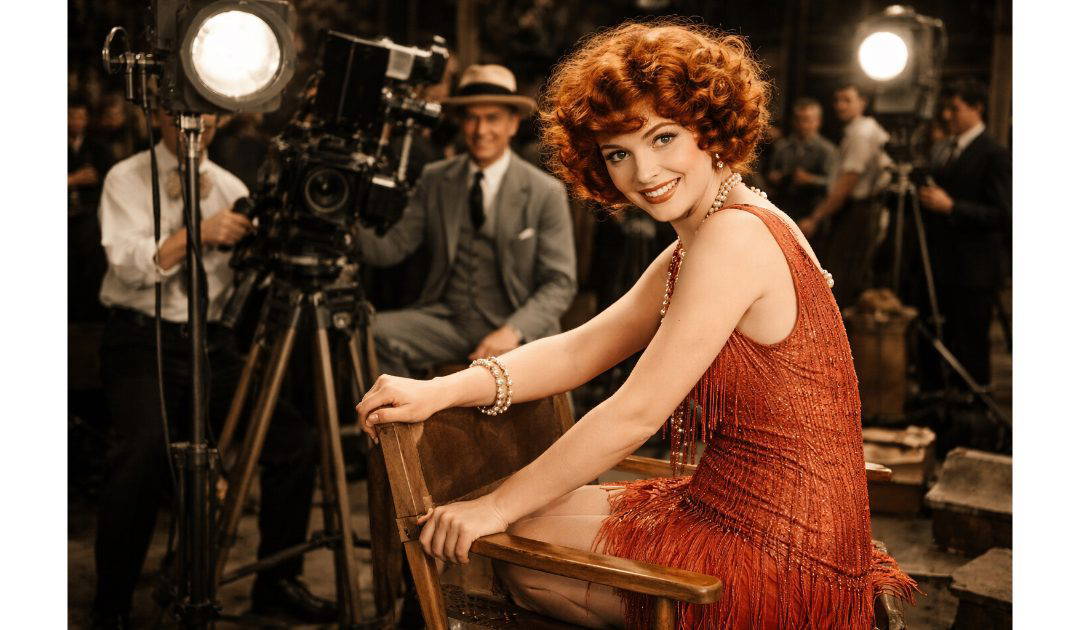
Clara Bow was born on the 29th of July 1905 in Brooklyn, New York. Clara Bow was one of the most iconic figures of the silent film era, a performer whose vivacious personality and natural screen presence helped define 1920s Hollywood. She rose from a troubled and impoverished childhood to become one of the biggest stars of her generation, earning the nickname “The It Girl” and embodying the spirit of the Jazz Age. I think I’ve only written about one actress before, Hedy Lamarr, so it’s high time for another.
Bow’s early life was marked by hardship. She grew up in a dysfunctional household, with a mentally unstable mother and a largely absent father. Poverty and instability shaped her childhood, and she often found solace in movies, where she developed a fascination with acting. Her break came in 1921 when she entered a beauty and talent contest run by a film magazine. Although she did not initially win, her performance caught the attention of industry figures, and she soon began to secure small roles in films.
Throughout the early 1920s, Bow worked steadily in minor parts, honing her craft and gaining experience. Her natural acting style set her apart from many of her contemporaries, who often relied on exaggerated gestures typical of silent film. Bow brought a sense of spontaneity and authenticity to her roles, which resonated strongly with audiences. Her expressive face and lively energy translated perfectly to the screen, making her a compelling presence even without spoken dialogue.
Her breakthrough came with the 1927 film It, a romantic comedy that would define her career. In it, Bow played a spirited shopgirl who captures the attention of her wealthy employer. The film’s title referred to a certain indefinable charm—“It”—and Bow came to personify this quality in the public imagination. Her performance was widely celebrated, and she quickly became one of Hollywood’s most popular and recognizable stars. The success of It cemented her image as a symbol of youthful independence, modern femininity, and sexual confidence.
During the late 1920s, Bow was at the height of her fame. She starred in numerous successful films and was a major box-office draw. Her screen persona—energetic, flirtatious, and relatable—captured the ethos of the flapper era, when traditional social norms were being challenged and redefined. Audiences saw in her a reflection of the changing role of women in society, and she became a cultural icon almost overnight.
However, Bow’s rapid rise to fame came with significant pressures. She struggled with the intense scrutiny of the media and the demands of studio life. The Hollywood publicity machine both elevated and exploited her, often focusing on her personal life as much as her professional achievements. Sensationalised stories about her relationships and behaviour circulated widely, some exaggerated or entirely fabricated, contributing to a growing sense of anxiety and mistrust.
The transition from silent films to “talkies” at the end of the 1920s posed challenges for many actors, and Bow was no exception. Although her Brooklyn accent initially caused concern, she proved capable in sound films, notably in The Wild Party (1929), one of her first talking pictures. Nevertheless, the pressures of adapting to the new technology, combined with her already fragile mental health, began to take a toll.
By the early 1930s, Bow’s career was in decline. She suffered from nervous exhaustion and was increasingly overwhelmed by the demands of Hollywood life. In 1931, she had a highly publicised breakdown, which led to her temporary withdrawal from acting. Although she returned to make a few more films, her heart was no longer in the industry.
In 1931, Bow married actor and cowboy star Rex Bell. The marriage marked a turning point in her life. She left Hollywood behind and moved to a ranch in Nevada, seeking a quieter and more stable existence. There, she devoted herself to her family and largely withdrew from public life. Despite occasional returns to the spotlight, she never regained her former status as a leading actress.
Clara Bow spent her later years in relative seclusion, struggling at times with mental health issues but maintaining a degree of peace away from the pressures of fame. She died on September 27, 1965, at the age of 60.
Today, Bow is remembered as one of the defining stars of the silent film era and a symbol of the cultural transformation of the 1920s. Her influence extended beyond cinema, shaping fashion, attitudes, and the image of the modern woman. While her life was marked by both triumph and difficulty, her legacy endures as a testament to her talent, resilience, and unmistakable charisma.