
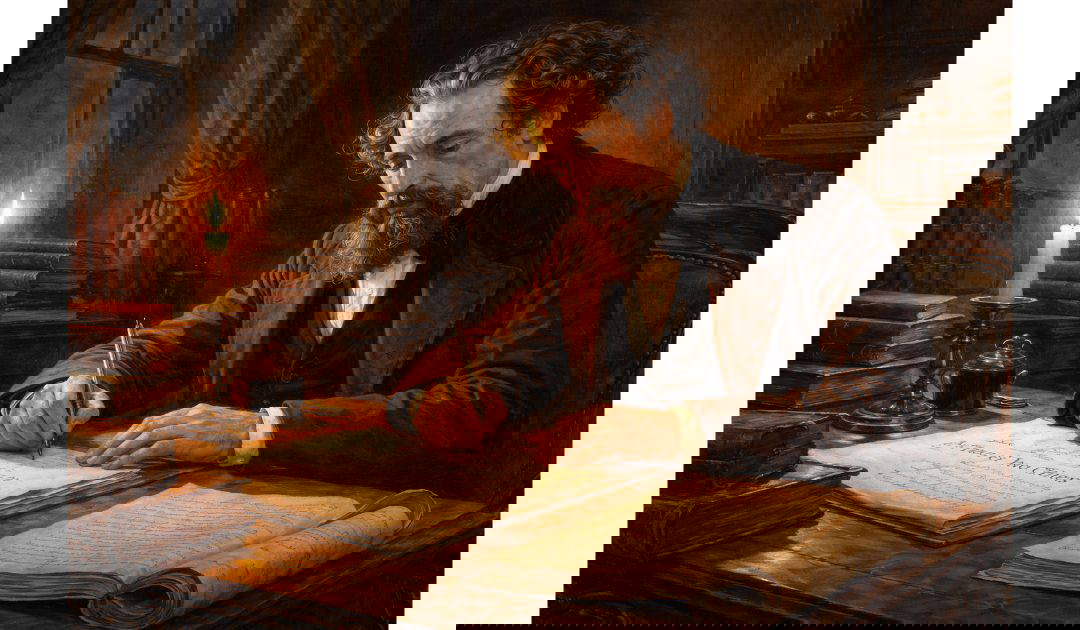
On the 30th of April, 1859, Charle Dickens published the first edition of his literary magazine, All The Year Round, containing the first installment of A Tale of Two Cities.
Charles Dickens (1812–1870) was the most celebrated novelist of the Victorian age and remains one of the most widely read writers in the English language. A master storyteller, social critic, performer, and journalist, Dickens combined vivid characterisation with sharp observation of society, exposing injustice while entertaining a vast readership.
He was born on the 7th of February, 1812, in Portsmouth. He was the second of eight children. His early years were unsettled, shaped by his father John Dickens’s financial irresponsibility. When Dickens was twelve, his father was imprisoned for debt in the Marshalsea Prison, an experience that left a deep mark on the boy. Forced to leave school, Dickens worked in a blacking factory pasting labels on bottles. The sense of abandonment and humiliation he felt during this period never left him; it later informed his sympathetic portrayals of vulnerable children and his fierce criticism of social neglect.
After his father’s release, Dickens returned briefly to school before beginning work as a clerk and then as a shorthand reporter. His training in parliamentary reporting honed his ear for dialogue and sharpened his understanding of politics and law. In 1836 he married Catherine Hogarth and in the same year published The Pickwick Papers, the comic novel that brought him overnight fame. Its episodic structure and exuberant characters captured the public imagination, and Dickens quickly became a literary sensation.
Many of his major works were first published in serial form, a method that allowed him to respond to readers’ reactions and to build suspense across monthly or weekly instalments. Among his best-known novels are Oliver Twist (1837–39), which exposed the cruelty of workhouses; Nicholas Nickleby (1838–39), attacking abusive Yorkshire schools; A Christmas Carol (1843), a moral fable about redemption; David Copperfield (1849–50), often considered his most autobiographical novel; Bleak House (1852–53), a complex indictment of the legal system; Hard Times (1854), critiquing industrial utilitarianism; Great Expectations (1860–61); and A Tale of Two Cities (1859), set against the turmoil of the French Revolution.
Dickens’s fiction is renowned for its unforgettable characters—Ebenezer Scrooge, Fagin, Miss Havisham, Mr Micawber, Uriah Heep—figures so vividly drawn that many have entered the language as archetypes. His gift lay in exaggeration balanced by emotional truth: grotesque villains and comic eccentrics coexist with deeply moving portraits of suffering and resilience. His prose ranges from high melodrama to biting satire and tender sentiment, often within the same chapter.
Social justice was central to Dickens’s work. Victorian Britain was marked by rapid industrialisation, urban poverty, child labour, and a rigid class system. Dickens did not advocate radical revolution, but he sought to prick the conscience of the middle classes. His depictions of debtor’s prisons, slums, bureaucratic inefficiency, and educational cruelty helped shape public debate. He supported charitable causes, including the establishment of a home for “fallen women,” and he frequently used his celebrity to raise funds and awareness.
In addition to writing novels, Dickens was a tireless journalist and editor. He founded and edited periodicals such as Household Words and All the Year Round, publishing essays, short stories, and investigative pieces. His energy seemed boundless. He also became famous for his public readings, dramatic performances in which he recited scenes from his novels to packed audiences across Britain and America. These tours were immensely popular but physically exhausting, contributing to his declining health in later years.
Dickens’s personal life was more troubled than his public image suggested. His marriage to Catherine deteriorated over time, and they separated in 1858. Rumours of a relationship with the young actress Ellen Ternan have persisted, though details remain debated by scholars. Dickens was a devoted father to his ten children, yet his expectations were often exacting, and he struggled financially despite his success, partly because of his generous spending and support of extended family.
By the 1860s Dickens was a national institution. When he died suddenly from a stroke on the 9th of June 1870 at his home, Gad’s Hill Place in Kent, he left his final novel, The Mystery of Edwin Drood, unfinished. He was buried in Poets’ Corner in Westminster Abbey, an honour reflecting his extraordinary status.
Dickens’s influence has been immense. His works have never been out of print and have been adapted countless times for stage, film, and television. He helped shape the modern novel, demonstrating how fiction could combine entertainment with moral purpose. His serial storytelling techniques anticipated modern episodic drama, and his attention to urban life contributed to the development of literary realism.
More than 150 years after his death, Dickens continues to resonate. His themes—inequality, ambition, redemption, the power of compassion—remain urgent. His language, rich in humour and humanity, still speaks vividly to readers of all ages. In capturing both the hardship and hope of his era, Charles Dickens created stories that transcend it, securing his place as one of the greatest writers in English literature.