
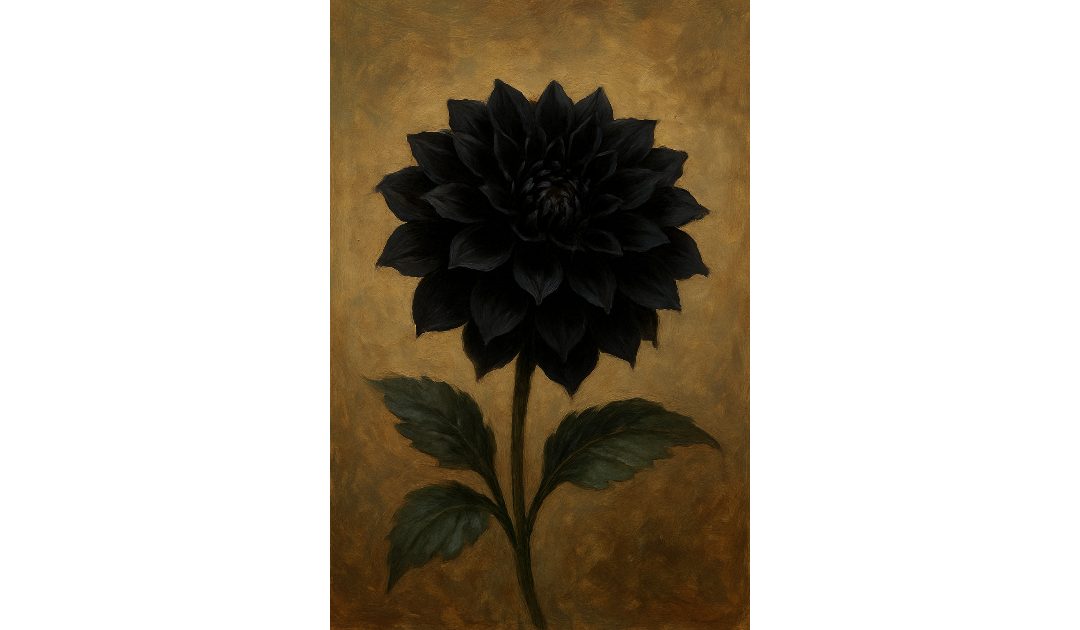
On the 15th of January, 1947, the dismembered body of Elizabeth Short was found in Los Angeles. The Black Dahlia murder of Elizabeth Short remains one of the most infamous unsolved crimes in American history—a case that has fascinated investigators, journalists, and the public for more than seventy-five years. Its combination of mystery, Hollywood glamour, and the chilling precision of the crime scene elevated it from a tragic homicide into one of Los Angeles’s defining legends.
Elizabeth Short was born on the 29th of July, 1924, in Boston, Massachusetts, the third of five daughters. Her early life was unsettled; her father abandoned the family during the Great Depression, and Elizabeth grew up shuttling between relatives. In her late teens she struggled with poor health due to chronic respiratory problems, prompting stays in warmer climates. She eventually gravitated to southern California, drawn by the promise of film stardom and sunshine. Friends later described her as charming, stylish, and eager to reinvent herself. She cultivated a striking appearance—the dark hair, pale skin, and fondness for tailored black clothing that would inspire the press’s later nickname, “the Black Dahlia”.
In January 1947, Elizabeth Short was living a transient life in Los Angeles, moving between hotels, acquaintances’ homes, and boarding houses. She had no steady job and no reliable income. The city at the time was booming, swelling with veterans returning from the Second World War and young dreamers seeking work in the movie industry. It was also a city grappling with crime, corruption, and a police force struggling to professionalise. Within this milieu, Short’s life unfolded largely out of public view until it was brought to national attention by her death.
On the morning of the 15th of January, 1947, a local resident walking with her young daughter discovered what she initially thought was a discarded mannequin in a vacant lot on South Norton Avenue in the Leimert Park district. It was the body of Elizabeth Short. The killer had arranged the scene with disturbing deliberation, leaving the body in plain sight and ensuring that it would be quickly noticed. The Los Angeles Police Department launched what became one of the largest investigations in its history.
The press descended almost immediately. Sensationalist newspapers, competing fiercely for circulation, sensationalised details, sometimes inventing them outright. They pursued Short’s acquaintances, rummaged through her past, and often portrayed her as a mysterious femme fatale leading a double life. These portrayals were largely unfounded; the image of Short as a glamorous adventurer was exaggerated to fit the noirish narrative that Los Angeles tabloids eagerly promoted. The nickname “Black Dahlia” itself was probably coined by reporters looking for a catchy headline, though some acquaintances claimed it was a light-hearted tease given before her death, playing on the 1946 film The Blue Dahlia.
Detectives initially pursued hundreds of leads. Dozens of men who had known Short were questioned. Some were fleeting acquaintances, others more substantial figures in her life. Several suspects emerged briefly, but no evidence solid enough to support charges ever materialised. The LAPD sifted through thousands of pages of interviews, tips, and reports. At one point the case file grew so large it required an entire room for storage.
The killer, meanwhile, appeared to follow the media coverage closely. A few days after the body was discovered, the Los Angeles Examiner received a package containing some of Short’s personal belongings, including photographs and an address book, all carefully cleaned with gasoline. This chilling communication deepened the public’s fascination and further complicated the investigation. Police believed the killer enjoyed the publicity and wanted to insert himself into the narrative.
Over the decades, countless theories have emerged. Some point to individuals with medical training, given the precision evident in the condition of the body. Others suggest figures from Los Angeles’s criminal underworld, or individuals from Short’s social circle. At various times “confessions” have surfaced, but most were from attention-seekers or troubled individuals with no credible link to the crime.
An enduring theory involves Dr. George Hodel, a Los Angeles physician whose own son later accused him posthumously. Hodel’s reputation, eccentric lifestyle, and proximity to the cultural milieu of 1940s Los Angeles made him a compelling figure for crime writers, but definitive proof remains absent. More than fifty suspects have been seriously considered across the decades, though modern forensic reassessments have not resolved the case.
The Black Dahlia murder occupies a unique place in American cultural history. It embodies the dark mystique of post-war Los Angeles—a city of opportunity and reinvention, shadowed by corruption, unanswered questions, and the uneasy glamour of Hollywood. Elizabeth Short, once an aspiring young woman hoping for a new life, became a symbol of the era’s anxieties and obsessions.
Despite the mythology surrounding the case, at its heart lies the unsolved murder of a 22-year-old woman whose life was cut short. The enduring mystery continues to inspire books, films, documentaries, and academic debates. Yet for all the speculation, the identity of Elizabeth Short’s killer remains unknown, ensuring that the Black Dahlia’s story will continue to haunt and captivate generations to come. I certainly remember being captivated by James Ellroy’s version.